
PCOD Diet Plan: Indian Vegetarian Guide

A practical Indian vegetarian PCOD diet: what to eat, what to limit, a sample day of meals and why blood sugar and thyroid checks matter. From our Wakad clinic.
If you have been told you have PCOD or PCOS, you were probably also told to “control your diet”. But what does that mean when you eat ordinary Indian vegetarian food, at home, at your desk in Hinjewadi or in a hostel mess?
What follows is practical, realistic guidance. It is general information, not a personal diet chart; your own plan should be made after a consultation, based on your weight, reports and routine.
Why diet matters in PCOD
PCOD is a hormonal condition where the ovaries do not release eggs regularly. Many women with PCOD also have insulin resistance, which means the body has to make more insulin to keep blood sugar normal. Higher insulin can push the ovaries to make more male-type hormones, which may lead to:
- Irregular or missed periods
- Weight gain, especially around the waist
- Acne and oily skin
- Extra facial or body hair
- Difficulty getting pregnant
The right food choices keep blood sugar steadier, which may help hormones settle over time. If you are overweight, even a modest weight loss often makes cycles more regular.
Get checked before you change your diet
Before you change your diet, it helps to know where you stand. Your doctor may suggest:
- Blood sugar tests, such as fasting sugar or HbA1c
- Thyroid tests, since thyroid problems can also cause irregular periods and weight changes
- Haemoglobin and vitamin levels, especially vitamin D and B12 in vegetarians
- A pelvic sonography and hormone tests, as needed
If you have diabetes, thyroid disease or are on any medicine, your diet should be planned with your doctor.
The basic principles of a PCOD-friendly vegetarian diet
1. Build every meal around fibre and protein
Vegetarian meals easily tilt towards carbohydrates. Add protein and fibre to every meal:
- Dal, rajma, chana, chole, moong and other pulses
- Paneer, tofu, curd and buttermilk
- Sprouts and besan-based dishes such as chilla
- Plenty of vegetables, especially leafy greens
2. Choose whole grains and control portions
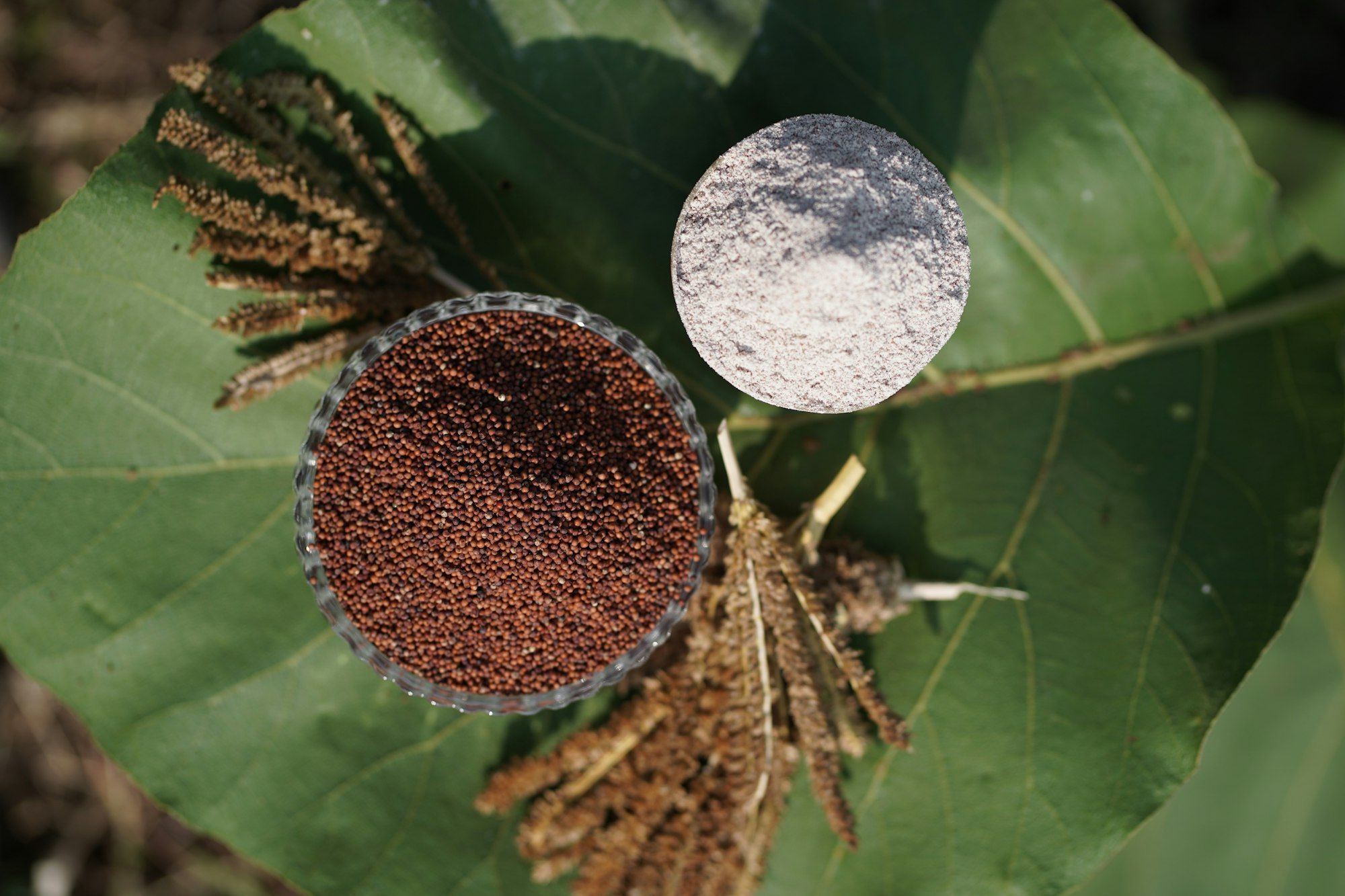
- Prefer whole wheat, jowar, bajra, nachni (ragi) and other millets
- Choose brown or hand-pounded rice in moderate amounts
- Use a simple plate rule: half vegetables, a quarter dal or paneer, a quarter grains
3. Limit foods that spike blood sugar
- Sweets, mithai, sugary tea and coffee, and packaged juices
- Maida-based foods such as white bread, biscuits, pav and bakery items
- Deep-fried snacks like vada pav, samosa and bhaji eaten daily
- Sweetened breakfast cereals and soft drinks
You do not have to give these up forever. Just keep them for occasions, not every day.
4. Use healthy fats in moderation
- A little ghee, groundnut oil or other cooking oils is fine
- Nuts and seeds such as almonds, walnuts, flaxseed and pumpkin seeds make good snacks
- Avoid reheated and repeatedly used frying oil
5. Keep regular meal timings
Long gaps followed by heavy meals can upset blood sugar. Most women do well eating at regular times, with a lighter dinner finished two to three hours before sleep.
A sample vegetarian day
This is only an example to spark ideas. Your portions depend on your needs.
- Early morning: a glass of warm water and a few soaked almonds or walnuts
- Breakfast: vegetable poha with peanuts and sprouts, or moong dal chilla with mint chutney, or vegetable upma made with rava or millet
- Mid-morning: a fruit such as guava, apple, orange or papaya
- Lunch: two jowar or wheat bhakri or chapati, a bowl of dal, a sabzi, a bowl of salad and curd or buttermilk
- Evening: roasted chana or makhana with a cup of tea with less sugar
- Dinner: vegetable khichdi with a bowl of curd, or paneer bhurji with one chapati and a sabzi
Drink enough water through the day and keep sugary drinks to a minimum.
Habits that matter as much as food
- Move every day: brisk walking, cycling, swimming or strength exercises for about 30 minutes most days
- Yoga: gentle yoga and pranayama may help with stress and wellbeing
- Sleep: aim for seven to eight hours with fixed sleep times
- Stress: long working hours and screen time affect hormones; short breaks and breathing exercises help
- Avoid crash diets: very low-calorie or extreme diets may cause hair fall, weakness and weight regain
How we combine modern and Ayurvedic care for PCOD
At Venus Women’s Wellness Clinic, Dr. Madhavi Tayade follows “The Modern and Ayurveda Way”. Diet is one part of a complete PCOD plan, never a stand-alone fix.
The modern side
- Hormone, sugar and thyroid evaluation, and sonography when needed
- Medicines where required, for example to regulate cycles or support ovulation
- Fertility planning for women who wish to conceive
The Ayurvedic side
- A personalised diet plan based on your body type, digestion and routine
- Herbal formulations traditionally used to support hormonal balance, under supervision
- Detox and Panchakarma therapies where suitable
- Yoga and lifestyle guidance for long-term habits
Ayurveda is used as supportive care. If you are on prescribed medicines, please do not stop them without speaking to your doctor. You can learn more on our PCOD and PCOS service page, or read about how Ayurveda and modern treatment work together for PCOD.
When to see a doctor
Diet changes help, but please see a doctor if you have:
- No periods for three months or more
- Very heavy bleeding or periods lasting more than a week
- Sudden weight gain or loss without a clear reason
- Rapidly increasing facial or body hair, or hair loss
- Extreme thirst, frequent urination or constant tiredness
- Difficulty getting pregnant after trying for some time
- Severe pelvic pain
Go to the nearest hospital or call 108 if you have sudden severe abdominal pain, fainting or very heavy bleeding.
Book your PCOD consultation in Wakad
The best PCOD plan is one you can keep up for years. If you live in Wakad, Hinjewadi, Tathawade or anywhere in Pimpri-Chinchwad, book a consultation with Dr. Madhavi Tayade at Venus Women’s Wellness Clinic for a diet and treatment plan built around your reports and routine.
Common questions
Can diet alone treat PCOD?
Diet is one of the most important parts of PCOD care, but it works best together with regular exercise, good sleep and medical follow-up. Some women also need medicines or other treatment, especially if they are planning a pregnancy. Your doctor will guide you on what you need.
Should I stop eating rice and chapati if I have PCOD?
You do not need to stop them completely. Smaller portions, choosing whole grains such as hand-pounded rice, millets or whole wheat, and pairing them with dal, vegetables and curd usually works better than cutting them out. Extreme diets are hard to follow and can backfire.
Is milk allowed in PCOD?
For most women, moderate amounts of milk, curd or buttermilk are fine and provide protein and calcium. Some women feel better with less dairy. Notice how your body responds and discuss it with your doctor.
How soon will I see results from a PCOD diet?
Changes in energy and cravings may be felt within a few weeks. Improvements in weight, cycles and skin usually take a few months of steady effort. Everyone's body is different, so regular follow-up helps track progress.
Book a visit
Leave your name and number and we’ll call you back within clinic hours.
10 am – 2 pm · 5 pm – 9 pm